Stories:

Varanasi il "non luogo"
Un sadhu dell’Ottocento definì Varanasi (Kashi) non un luogo sulla terra,

ma uno stato in cui, arrivandovi, non chiedi più quando, cosa o dove, perché sei fuori dal tempo.

A nineteenth-century sadhu defined Varanasi (Kashi) not as a place on earth, but as a state in which,

upon arriving there, you no longer ask when, what, or where, because you are outside of time.
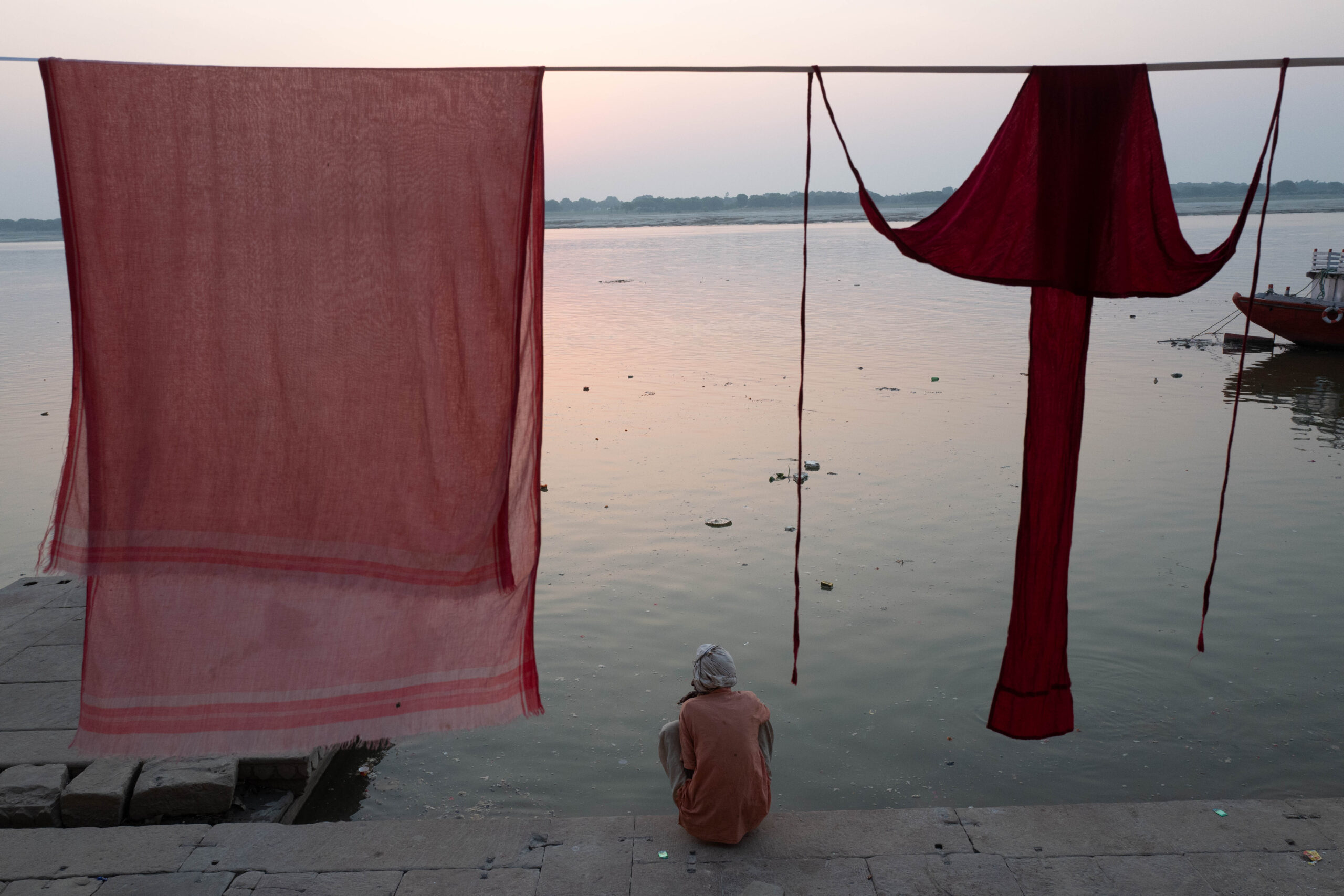
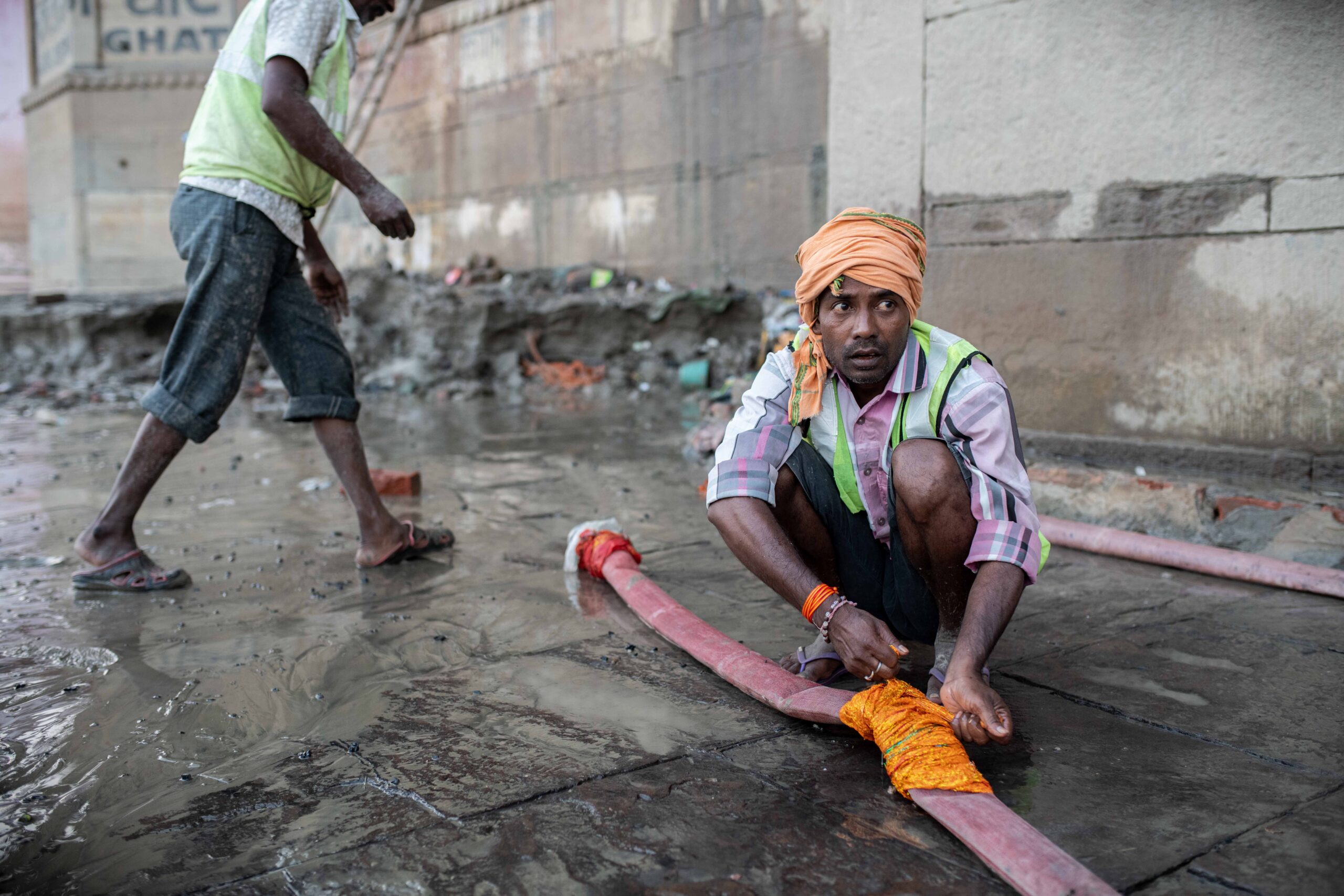
Varanasi, also known as Kashi, is a city of contrasts and intense experiences. Walking through its streets, the scents of spices, chai, and incense mingle with unique local aromas. The sacred coexists with the everyday, from cremation ghats to the Ganges, which flows like time suspended. Festivals like Durga Puja explode with collective energy, while the amusement park shows the city’s absurd and temporary human moments.

Varanasi come sospensione, un’esperienza fuori dal comune tra il sacro e il quotidiano. I ghats delle cremazioni, il Gange immobile, la Durga Puja e il luna park rivelano la vita intensa della città. Un viaggio che mostra non cosa Varanasi rappresenta, ma cosa fa ai corpi e allo sguardo di chi la attraversa.

Varanasi il “non luogo” 

Questa storia nasce dall’idea di Varanasi come sospensione.

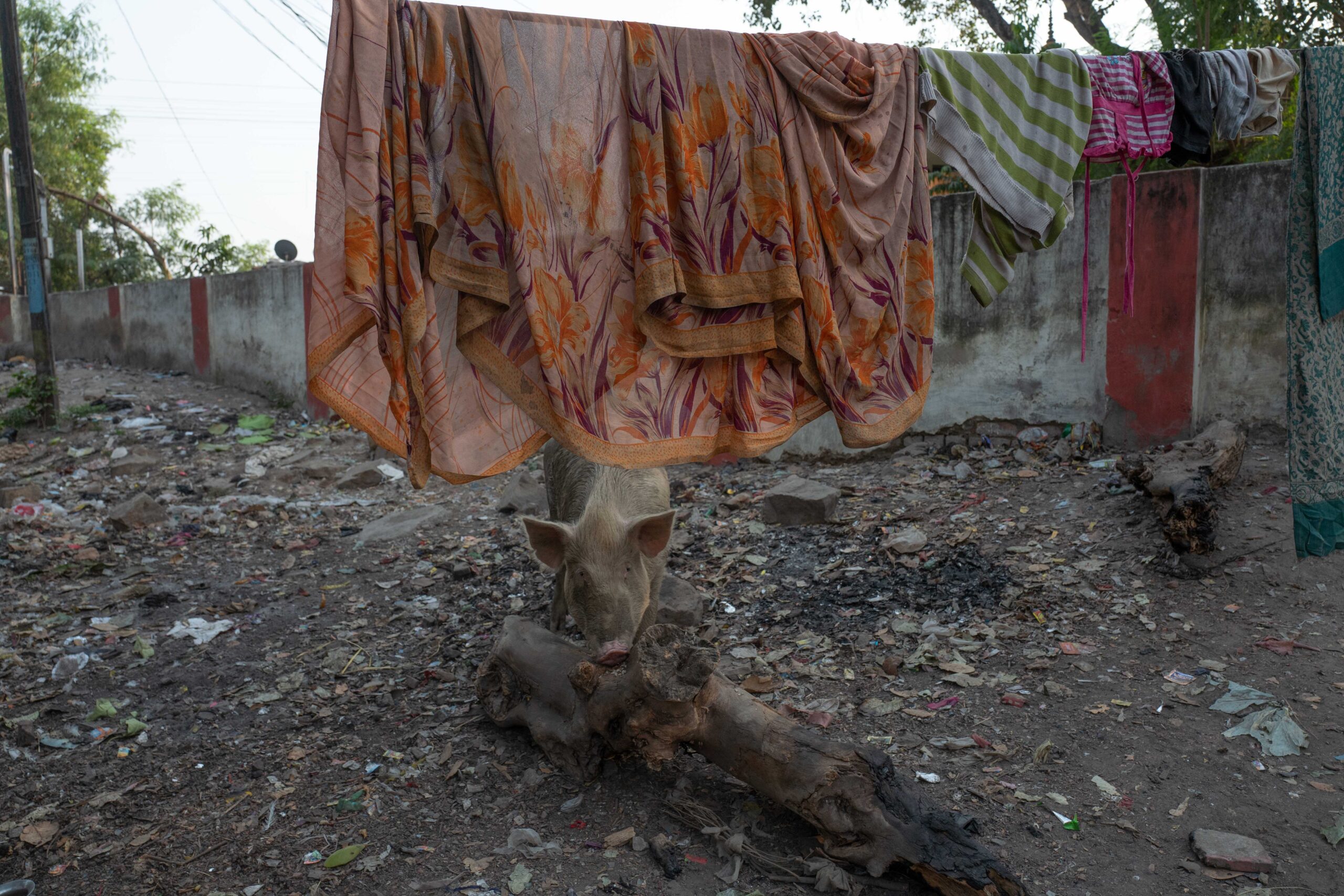
Le immagini non cercano l’esotico né i simboli più famosi, ma cercando di mostrare i contrasti che rendono Kashi un’esperienza fuori dal comune.

Ho trascorso dieci giorni a Varanasi, immergendomi nella sua intensità. Camminando per le strade, gli odori delle spezie, del chai e dell’incenso si mescolano a profumi più forti e difficili da identificare, unici di questo luogo.

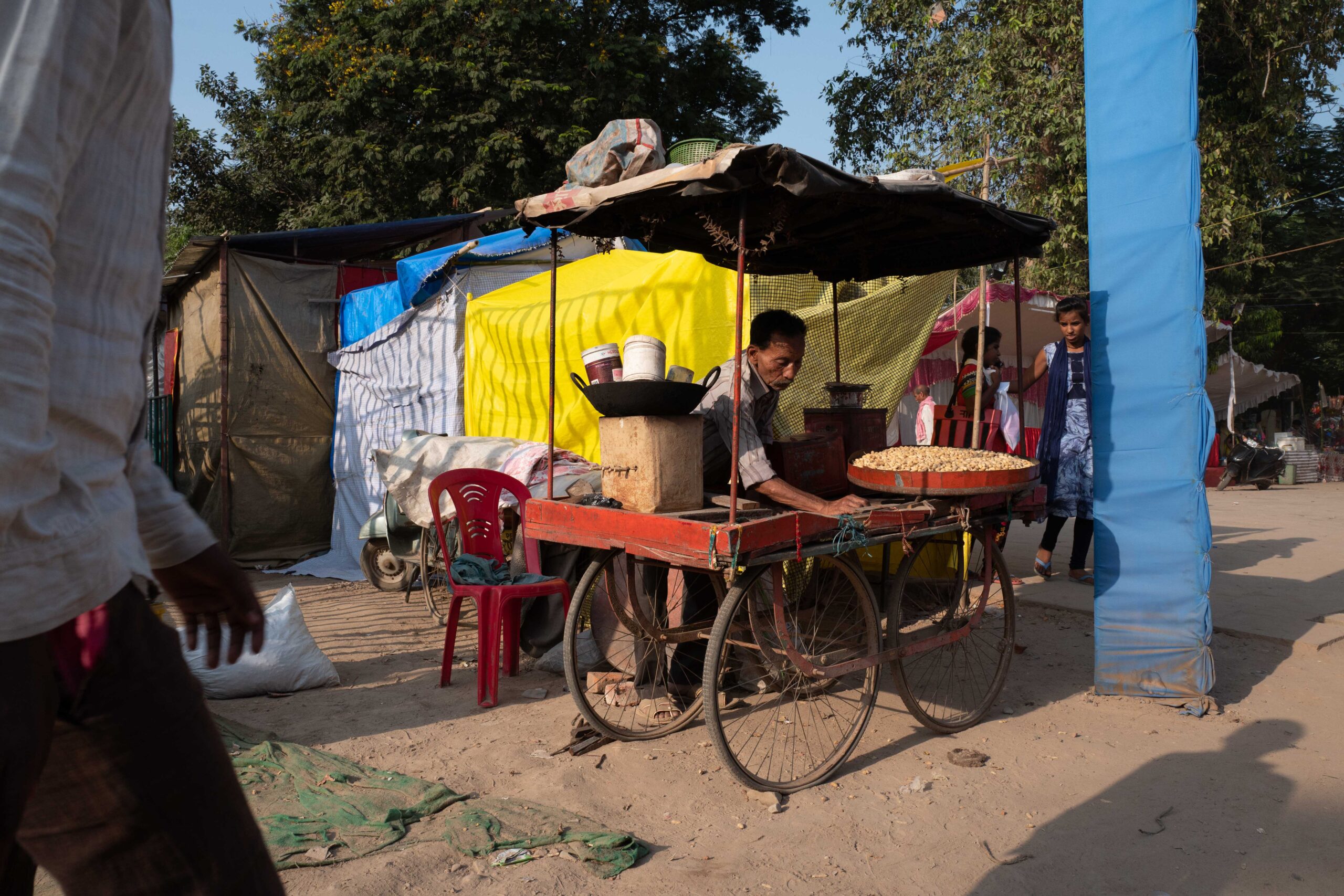
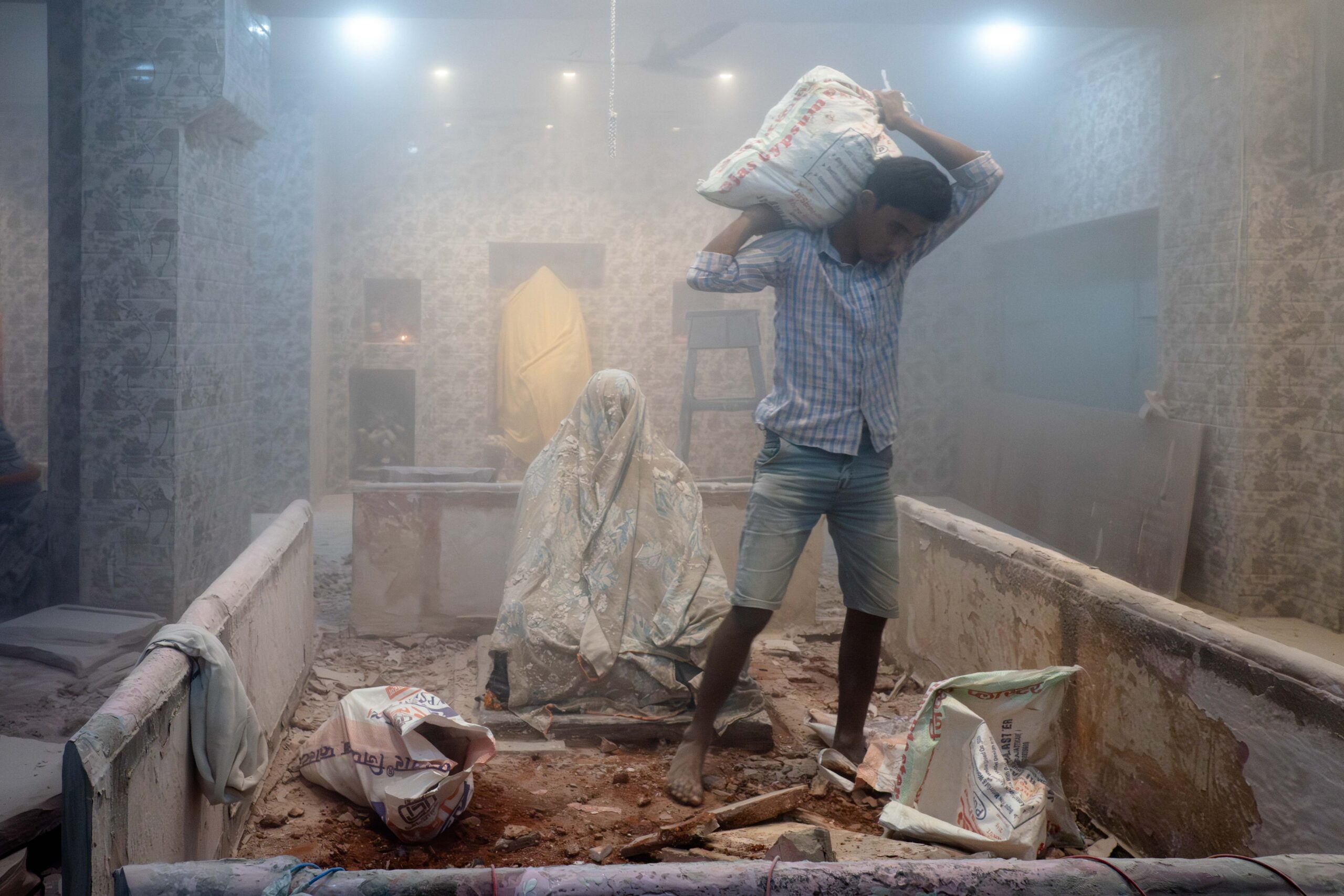
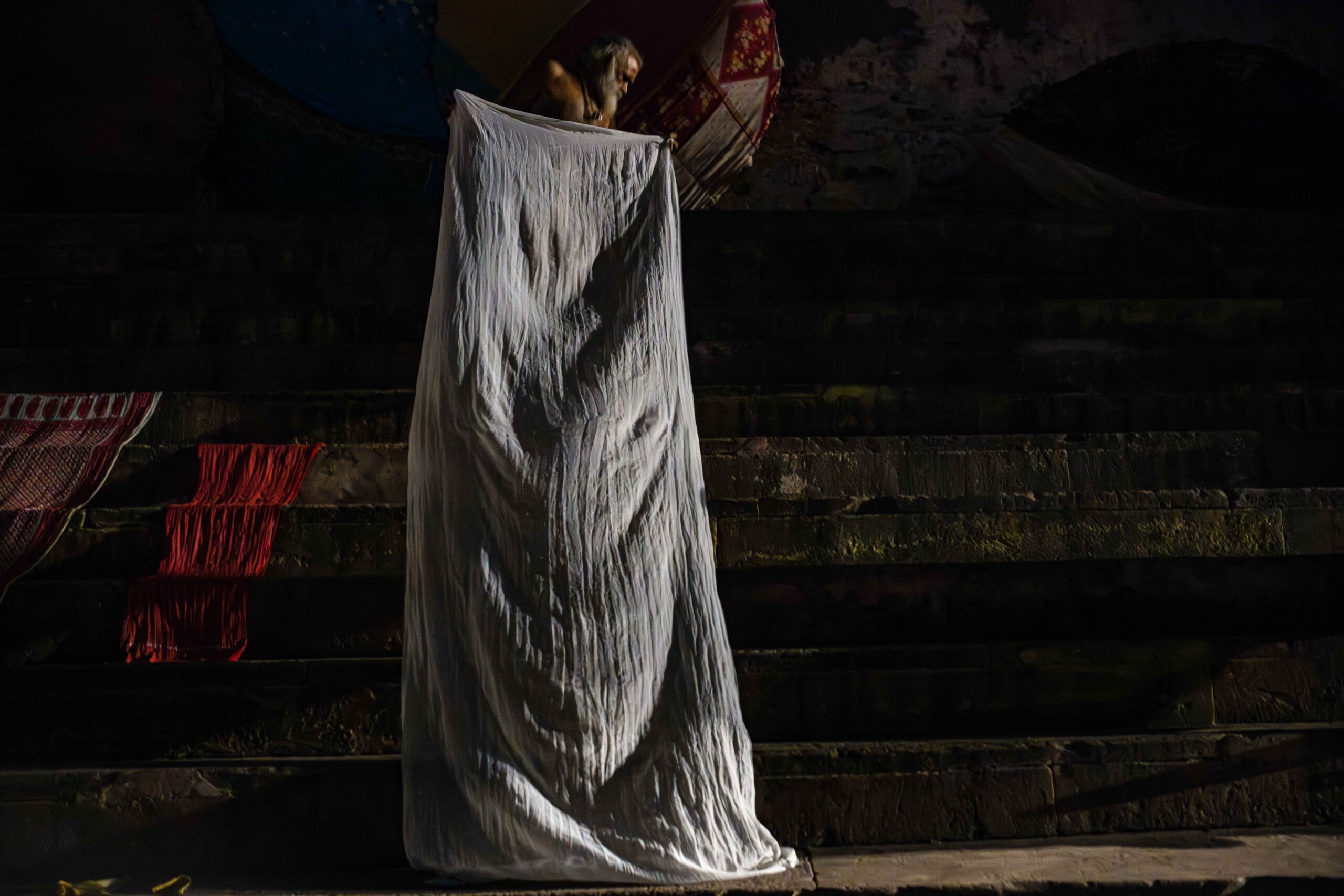
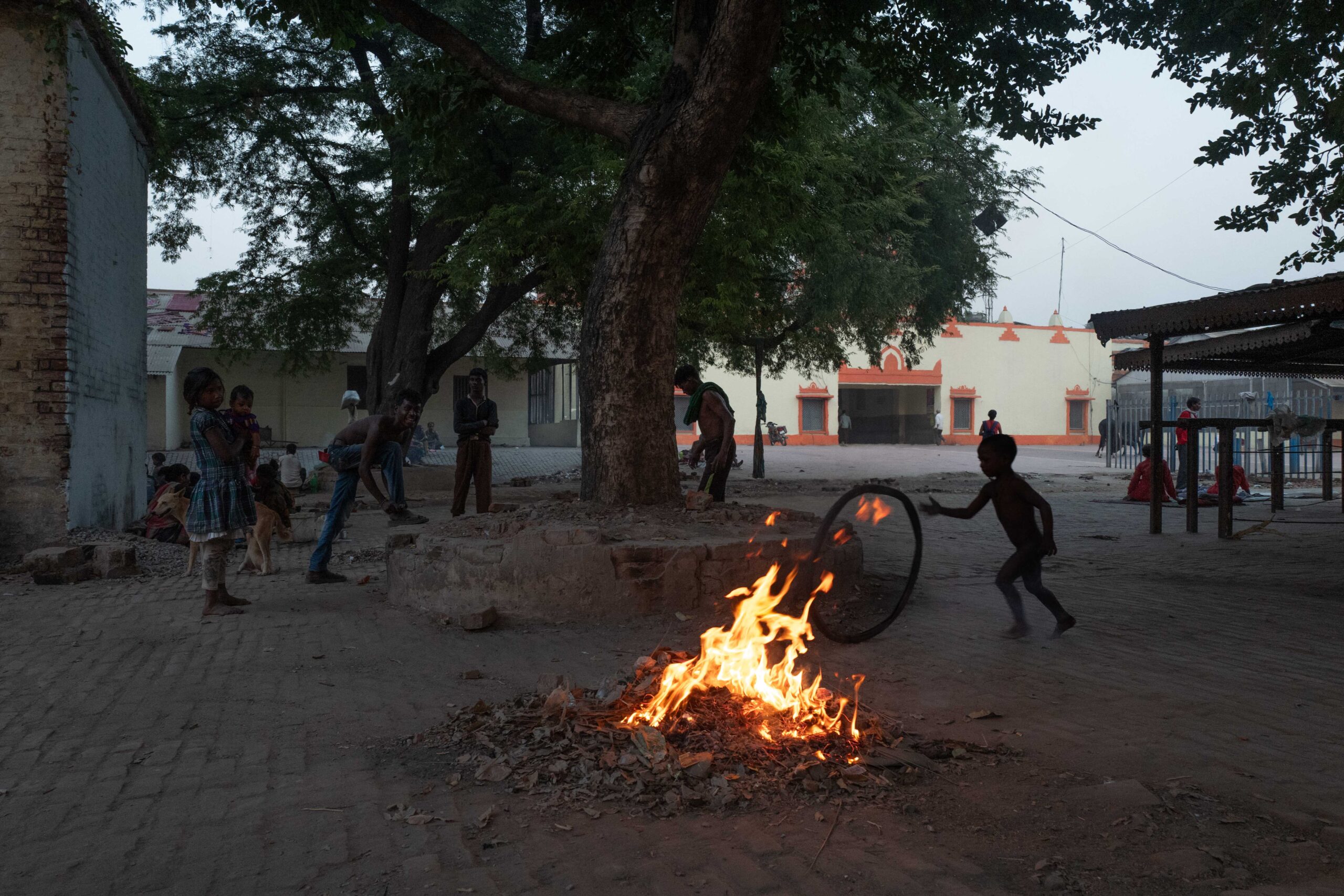
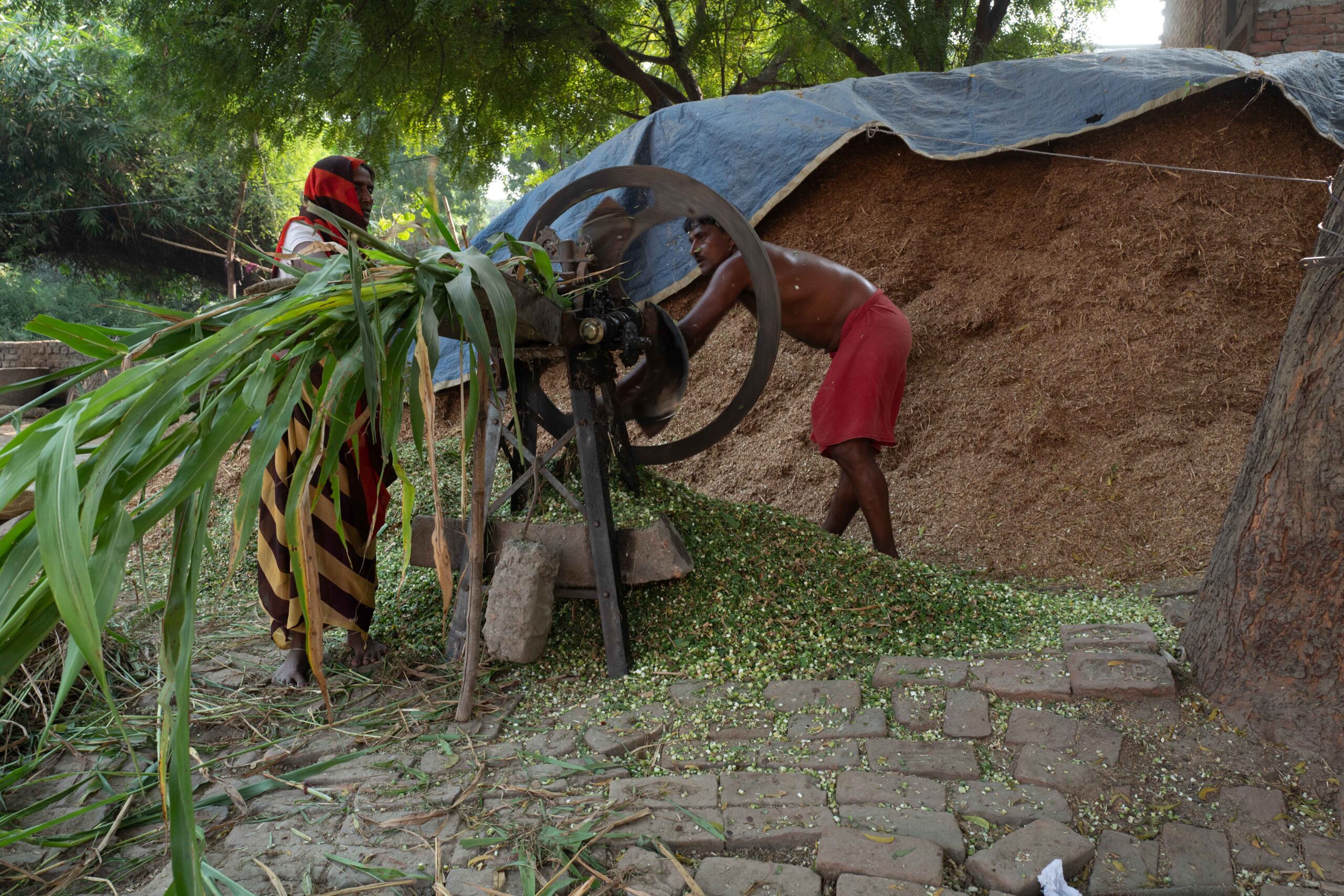
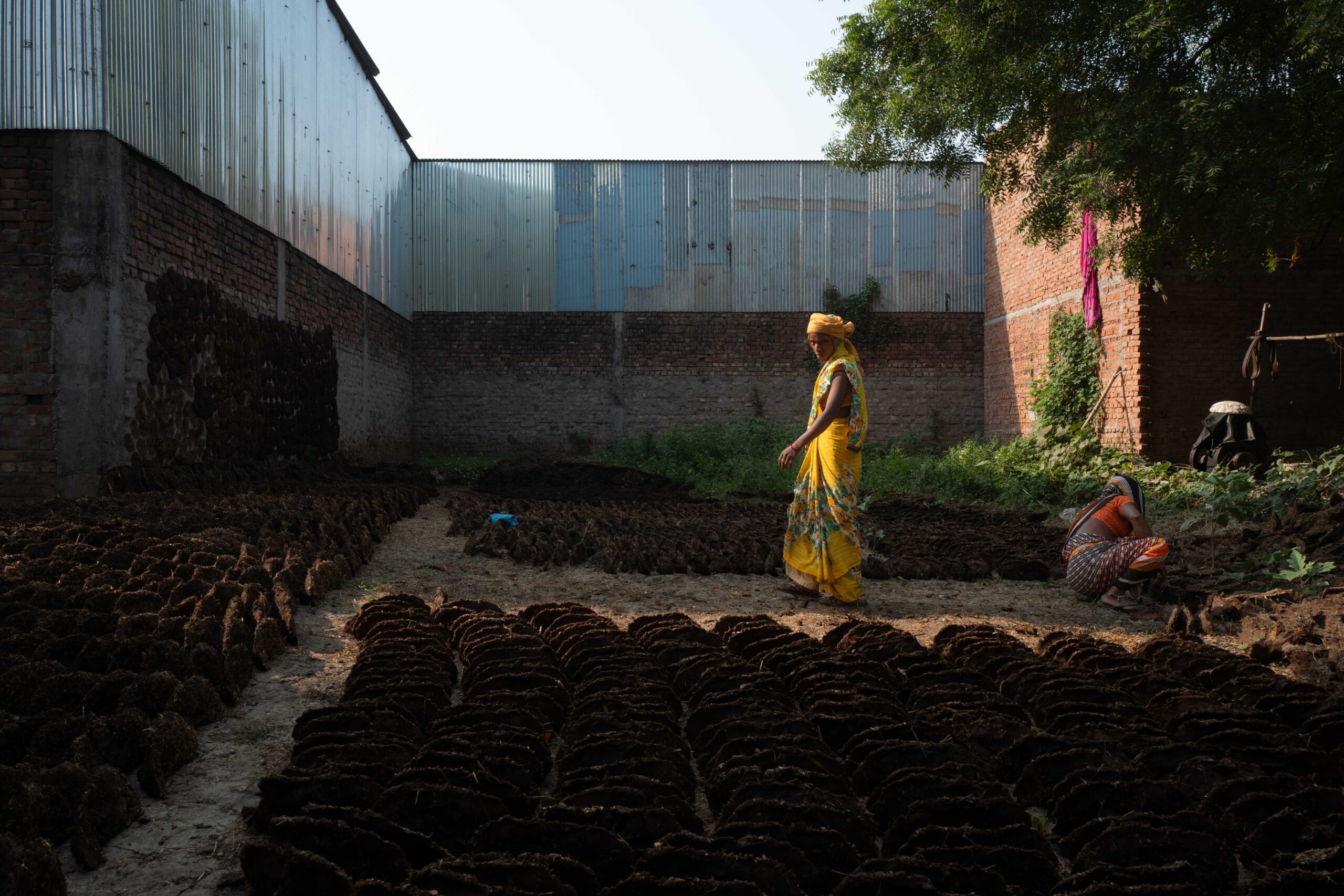
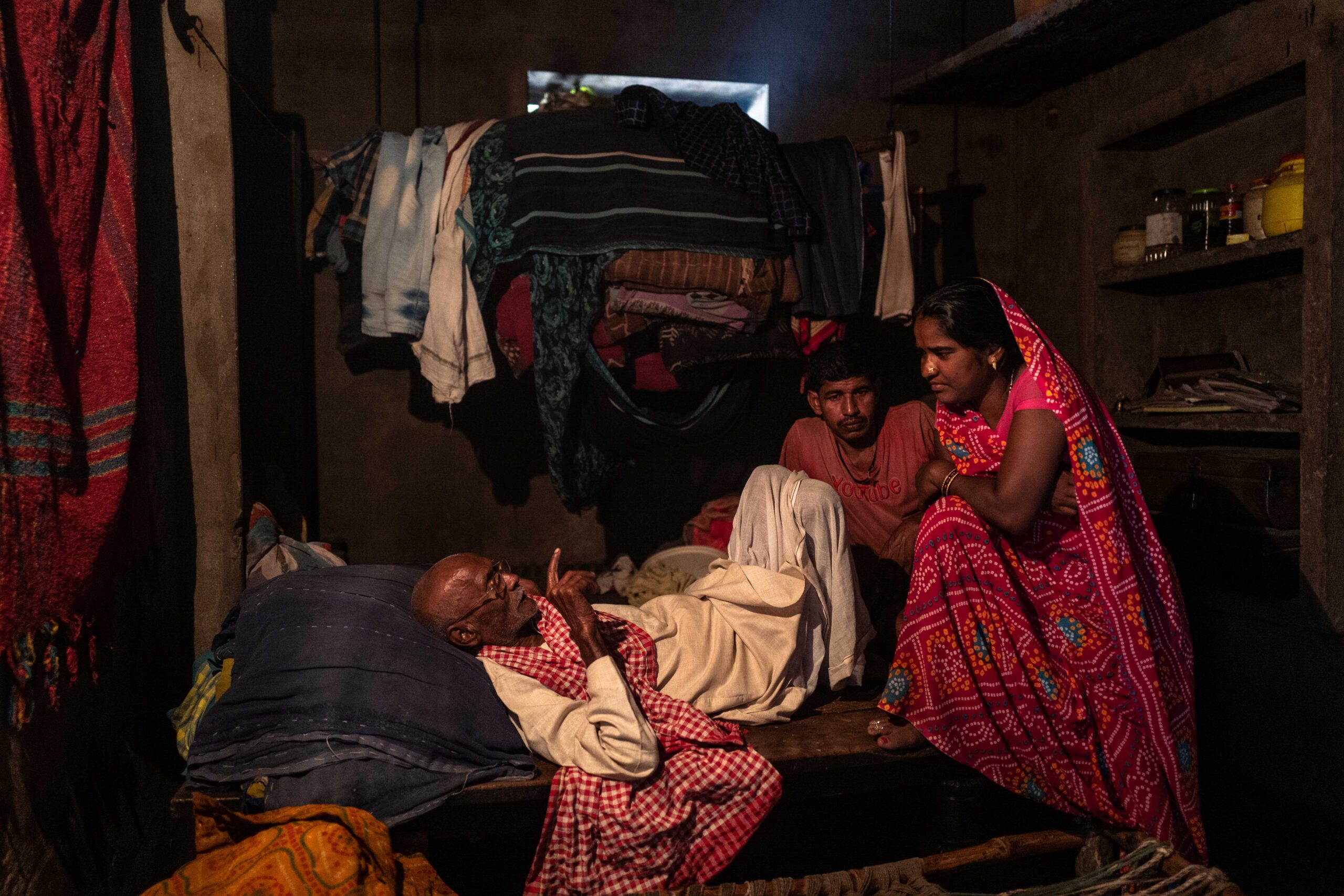
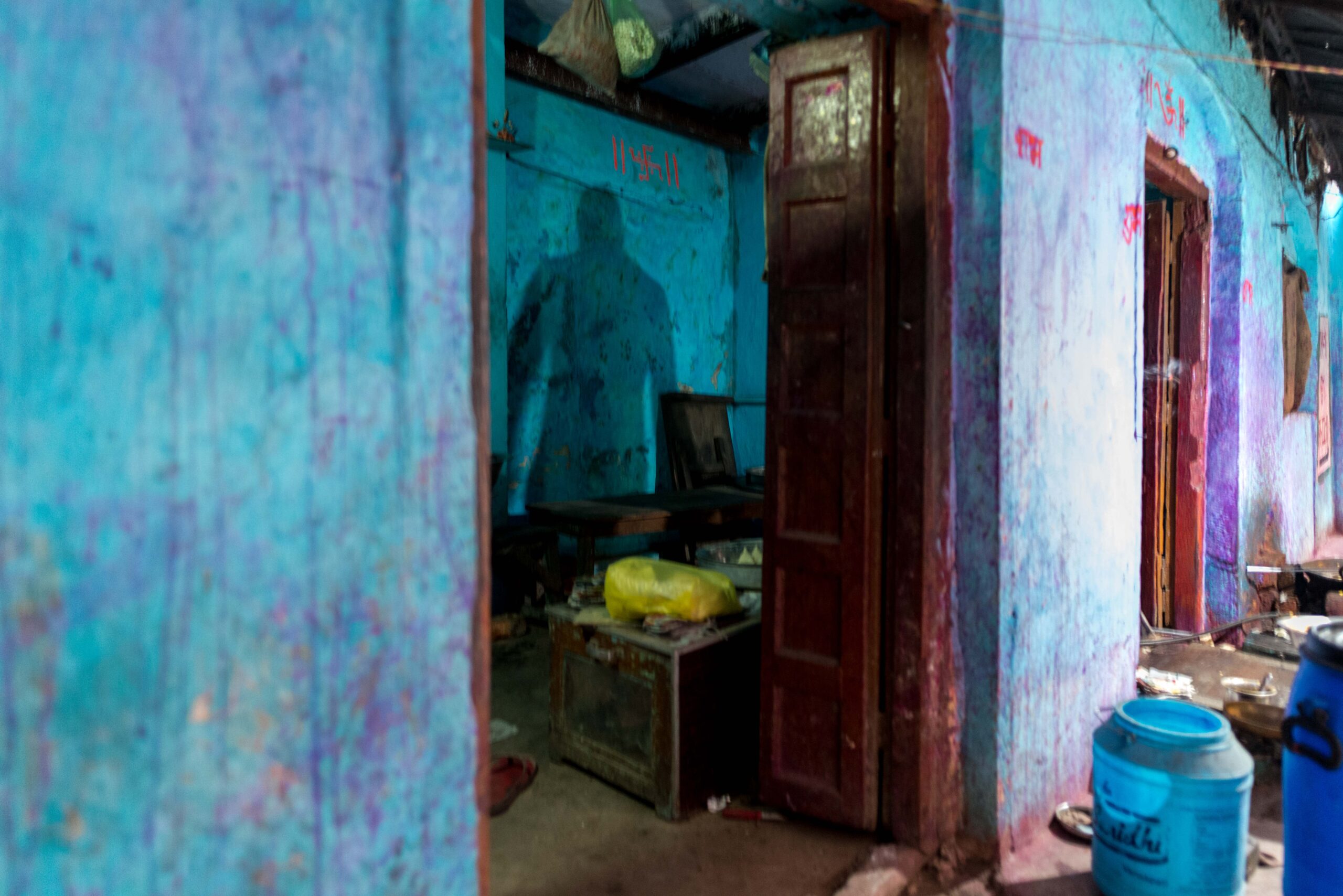
Ogni passo restituisce un senso di vita intensa e contraddittoria, dove il sacro convive con il quotidiano, e ogni angolo racconta storie che il tempo sembra aver sospeso.

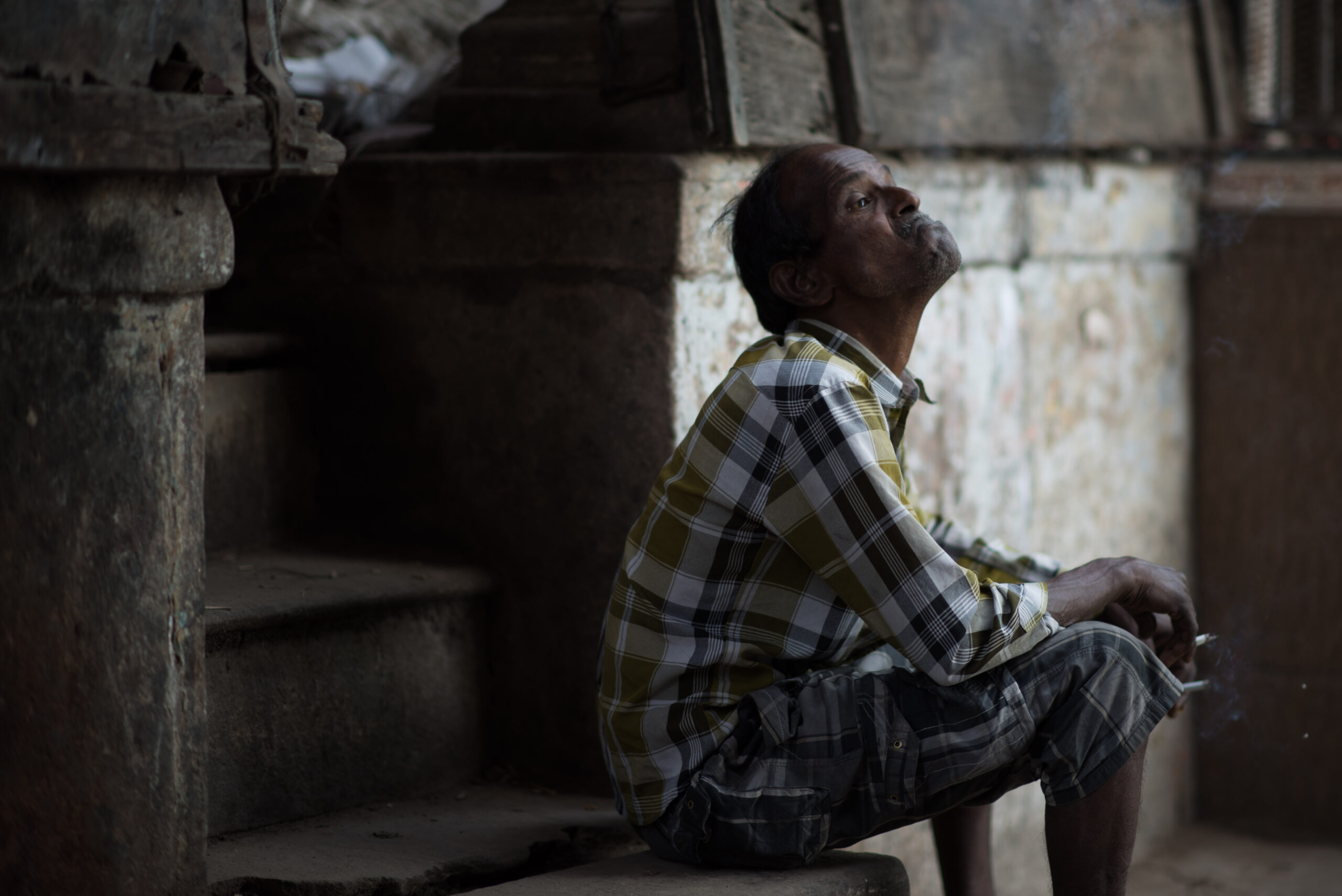
Non è un percorso lineare, ma un giro dentro Varanasi, alla ricerca delle sue particolarità: non ciò che la città rappresenta, ma ciò che fa al tempo, ai corpi e allo sguardo di chi la attraversa.

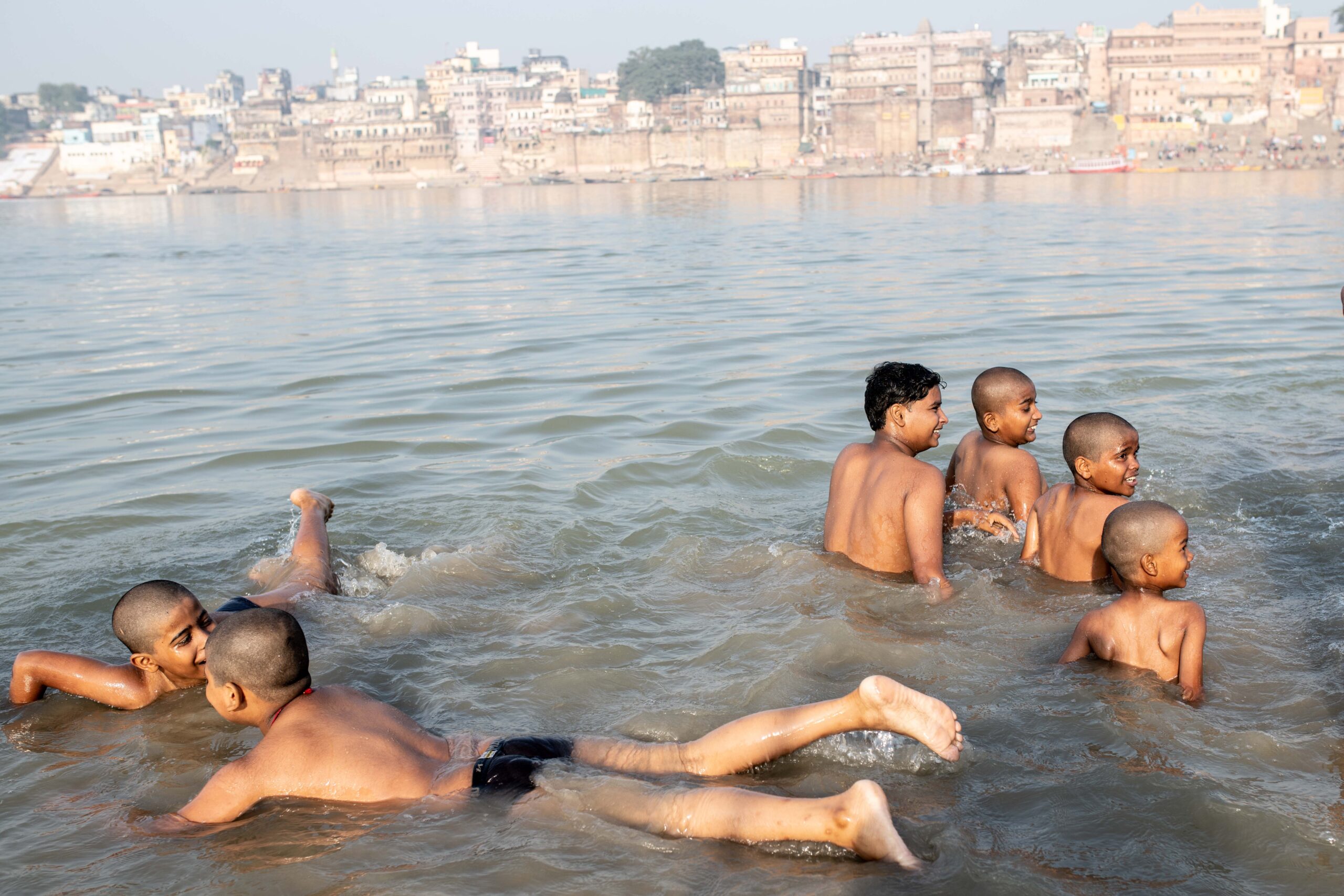
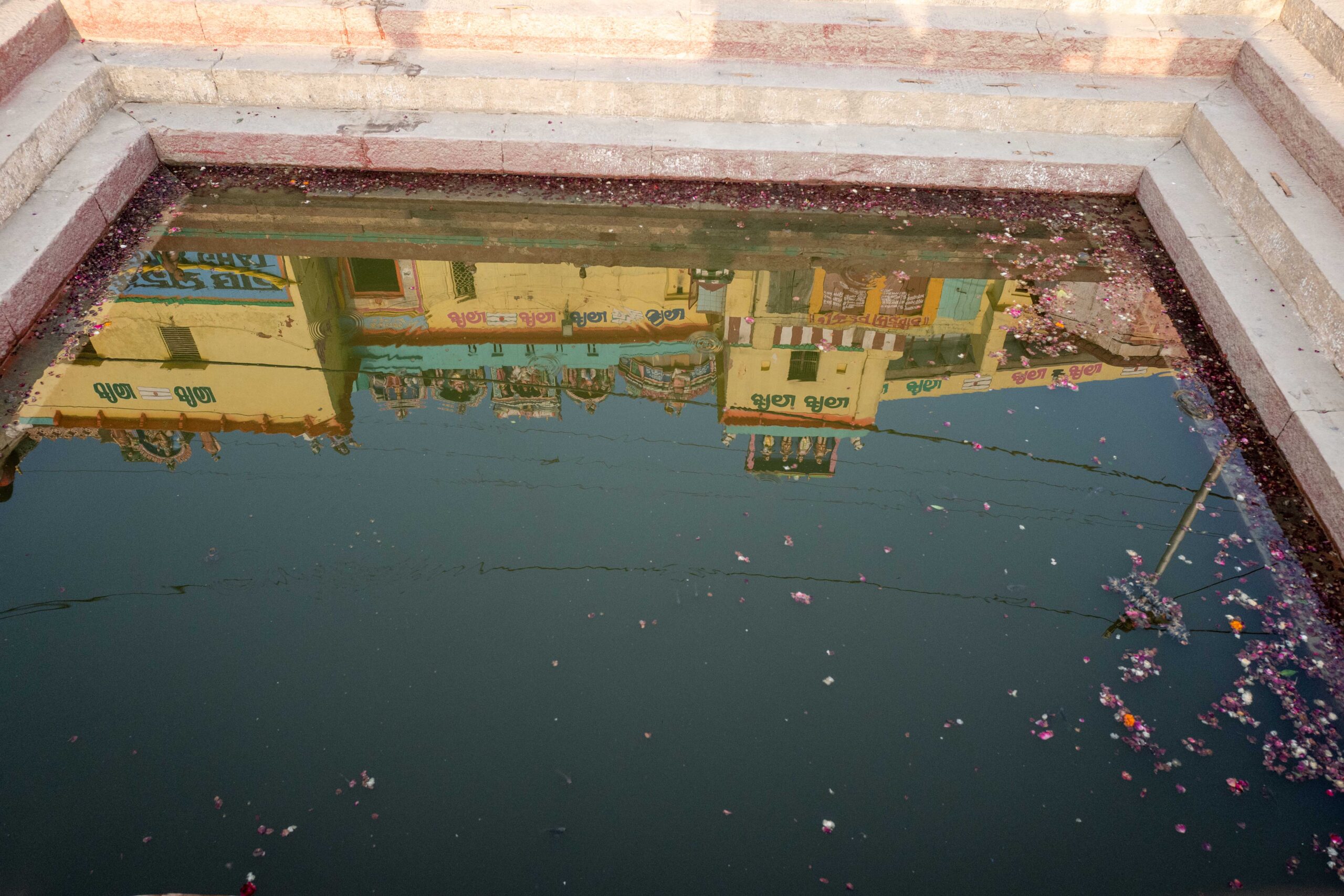
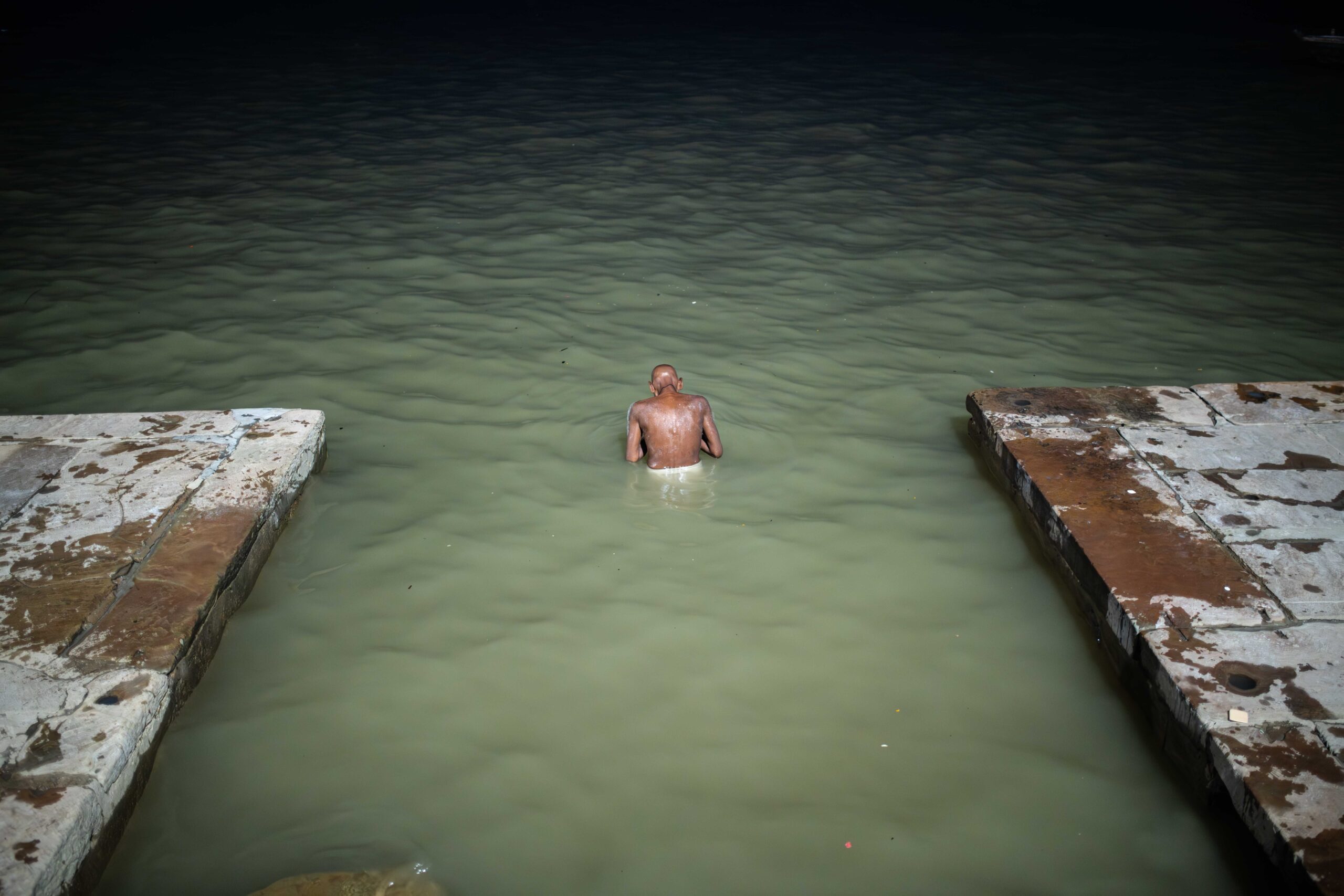
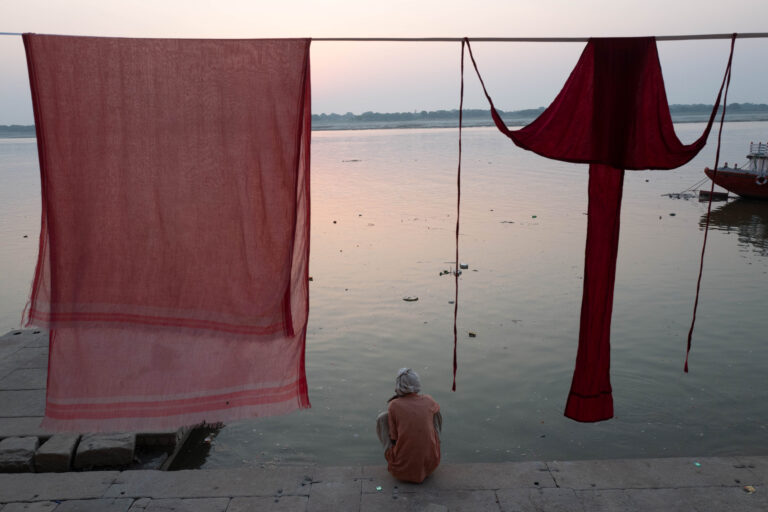
Il Gange scorre come un tempo che non avanza.

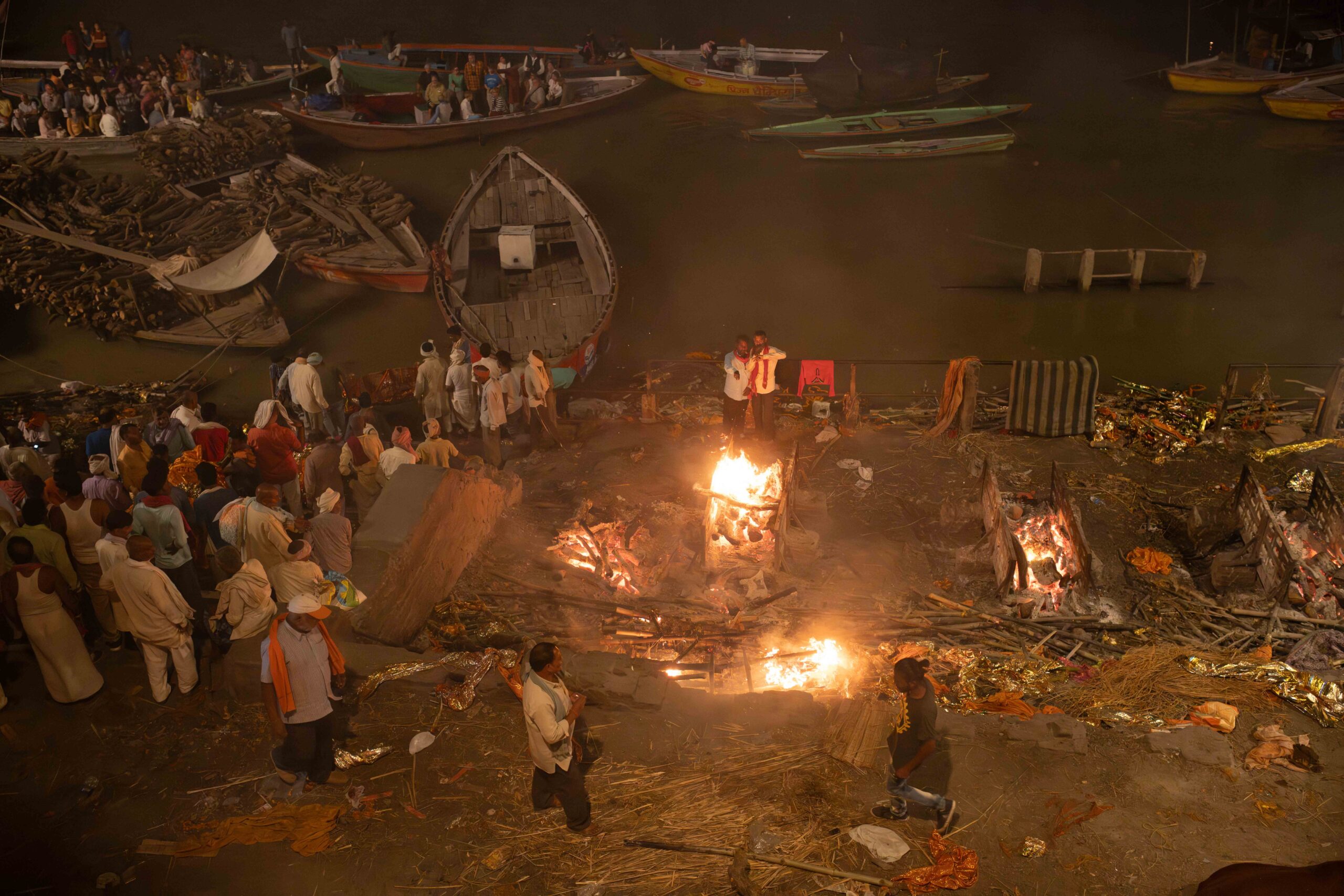
Le cremazioni non sono solo un rito, ma una presenza continua della fine integrata nella vita.

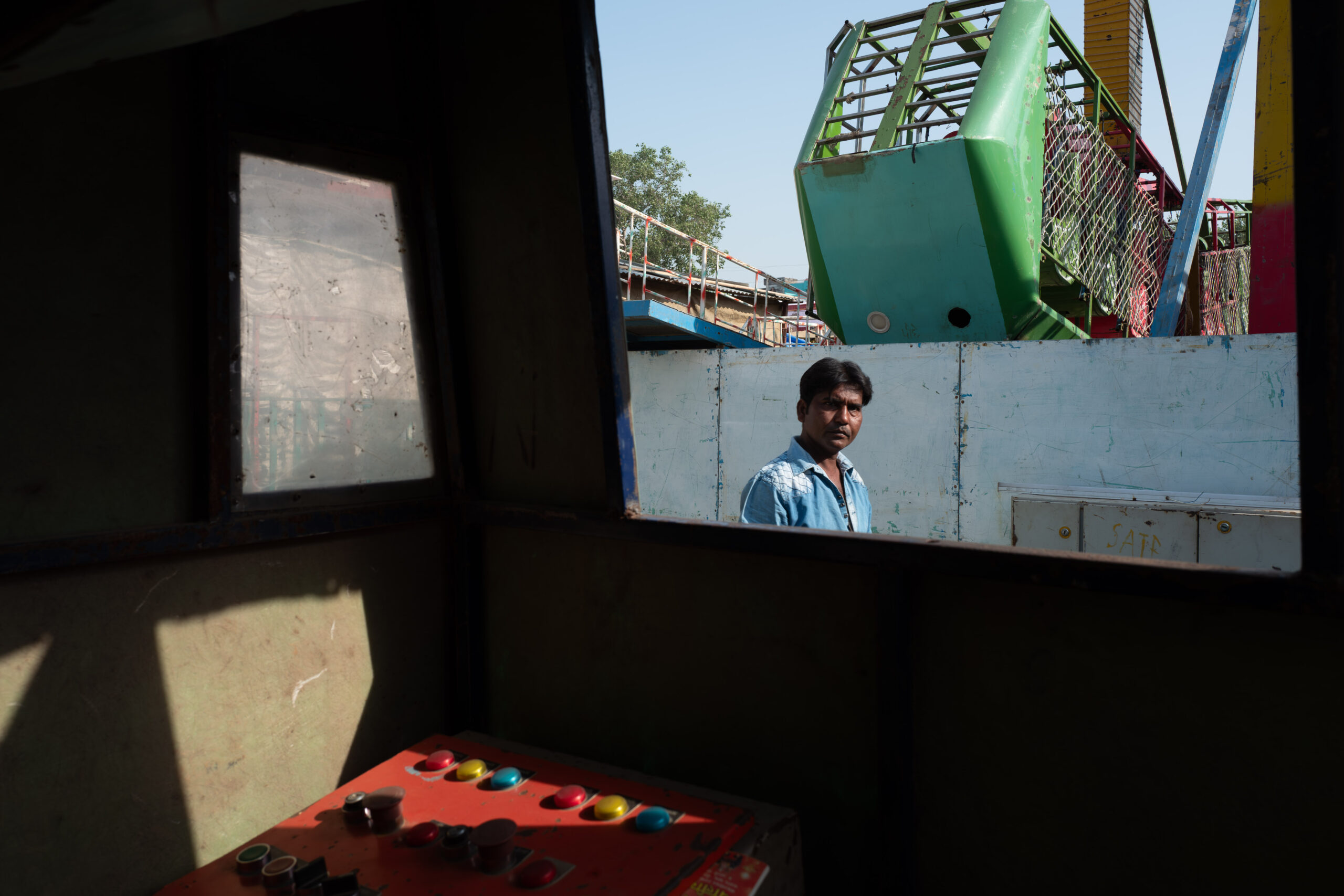
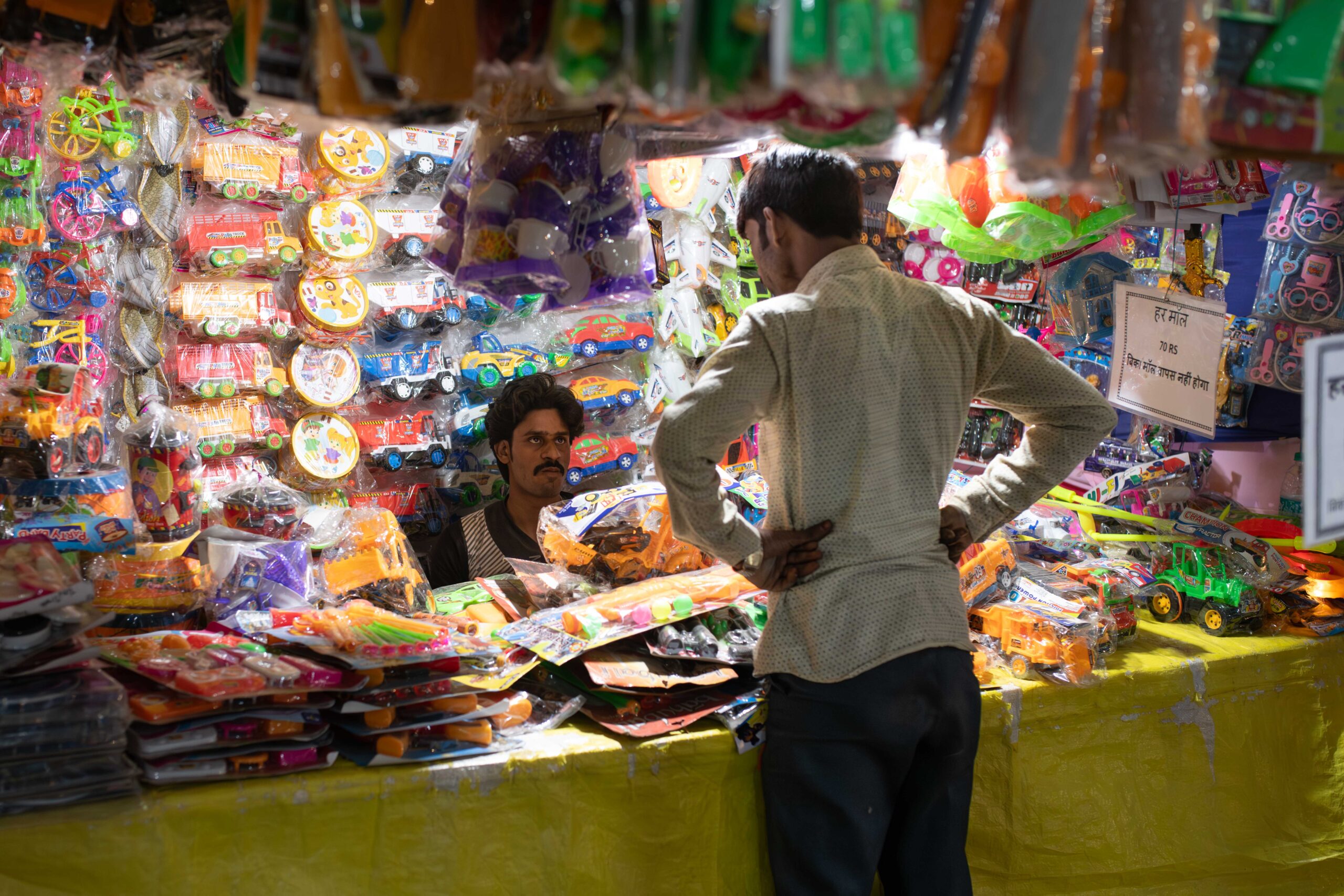
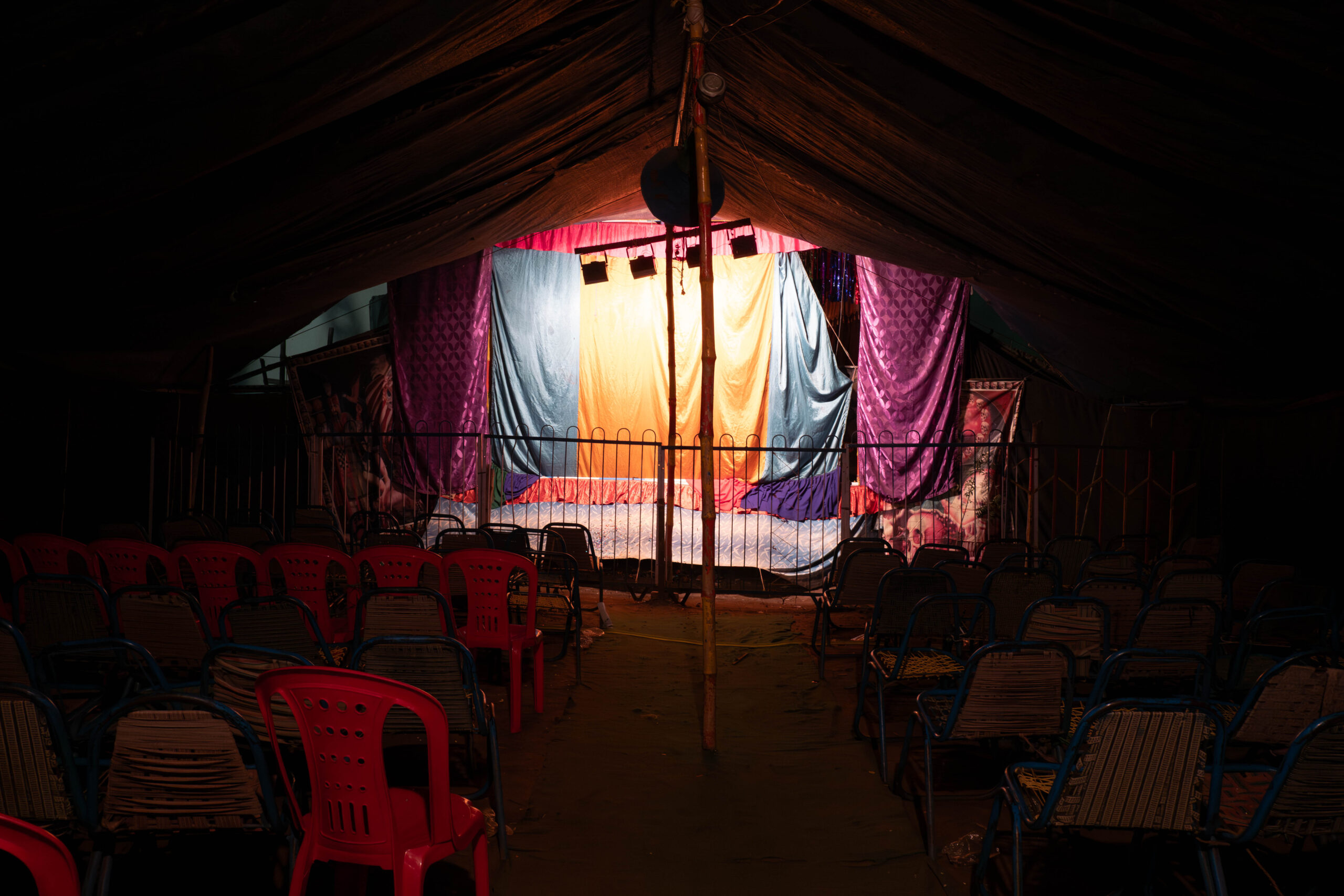
Il luna park, con la sua umanità assurda e provvisoria, rompe ogni aspettativa ordine.

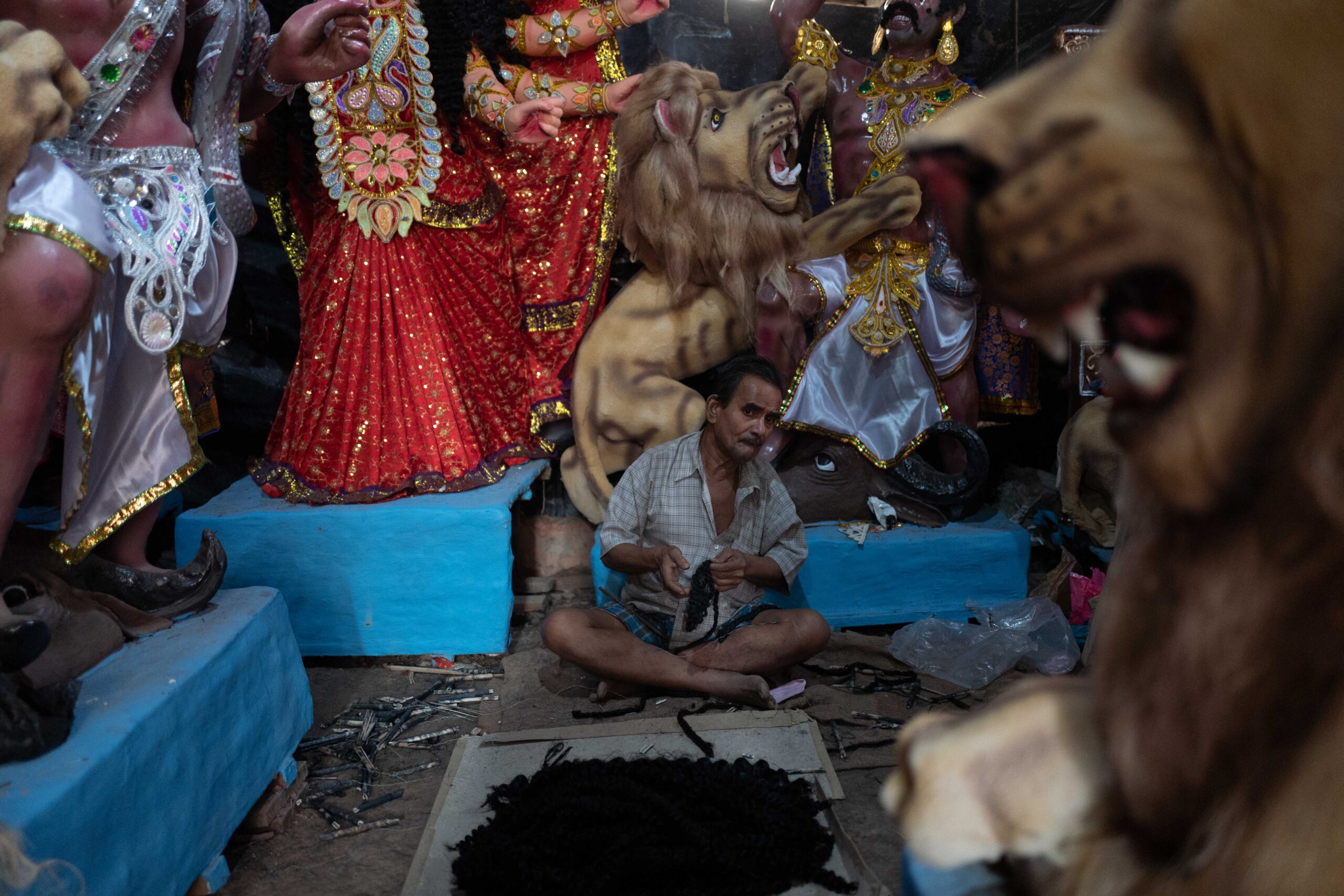
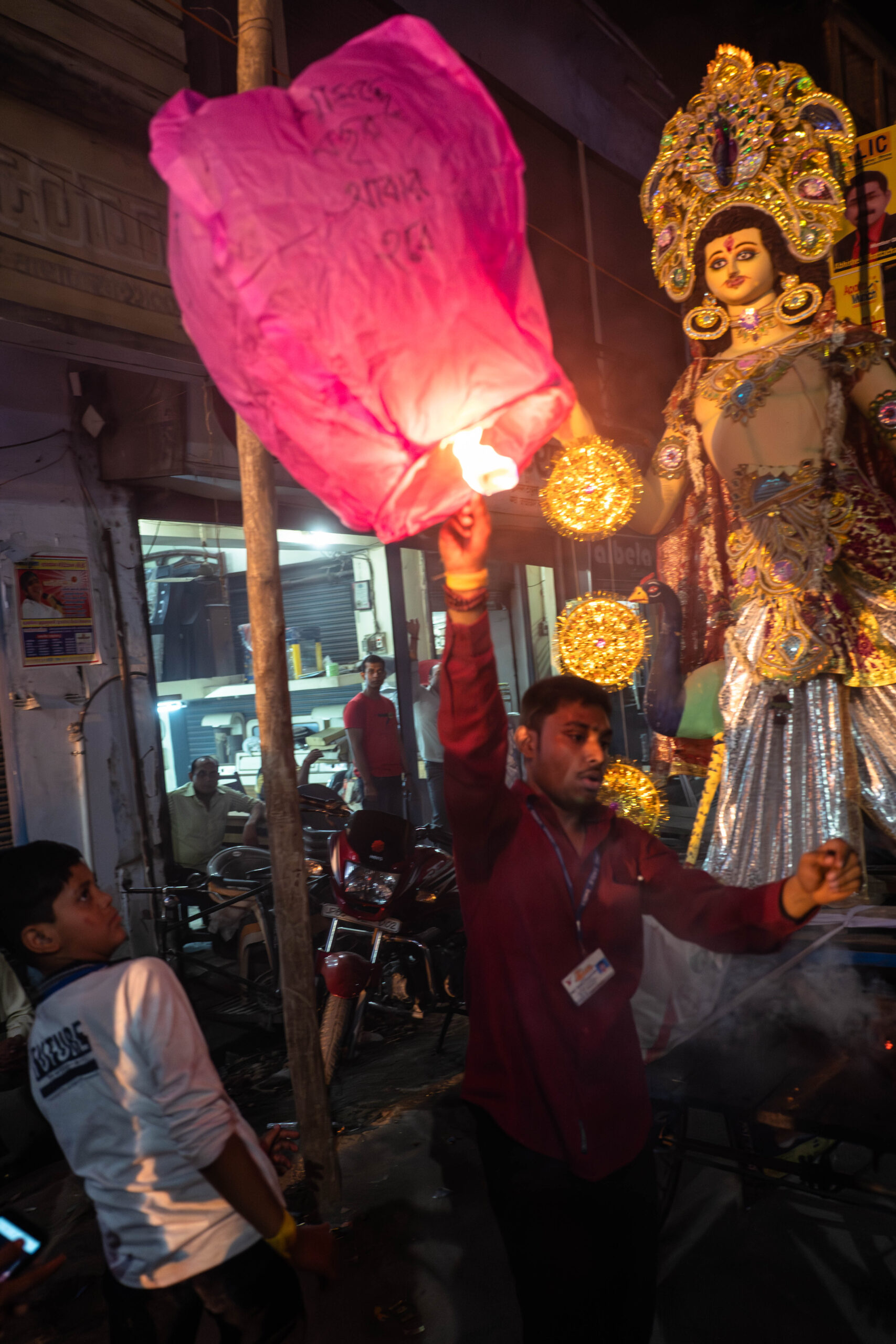
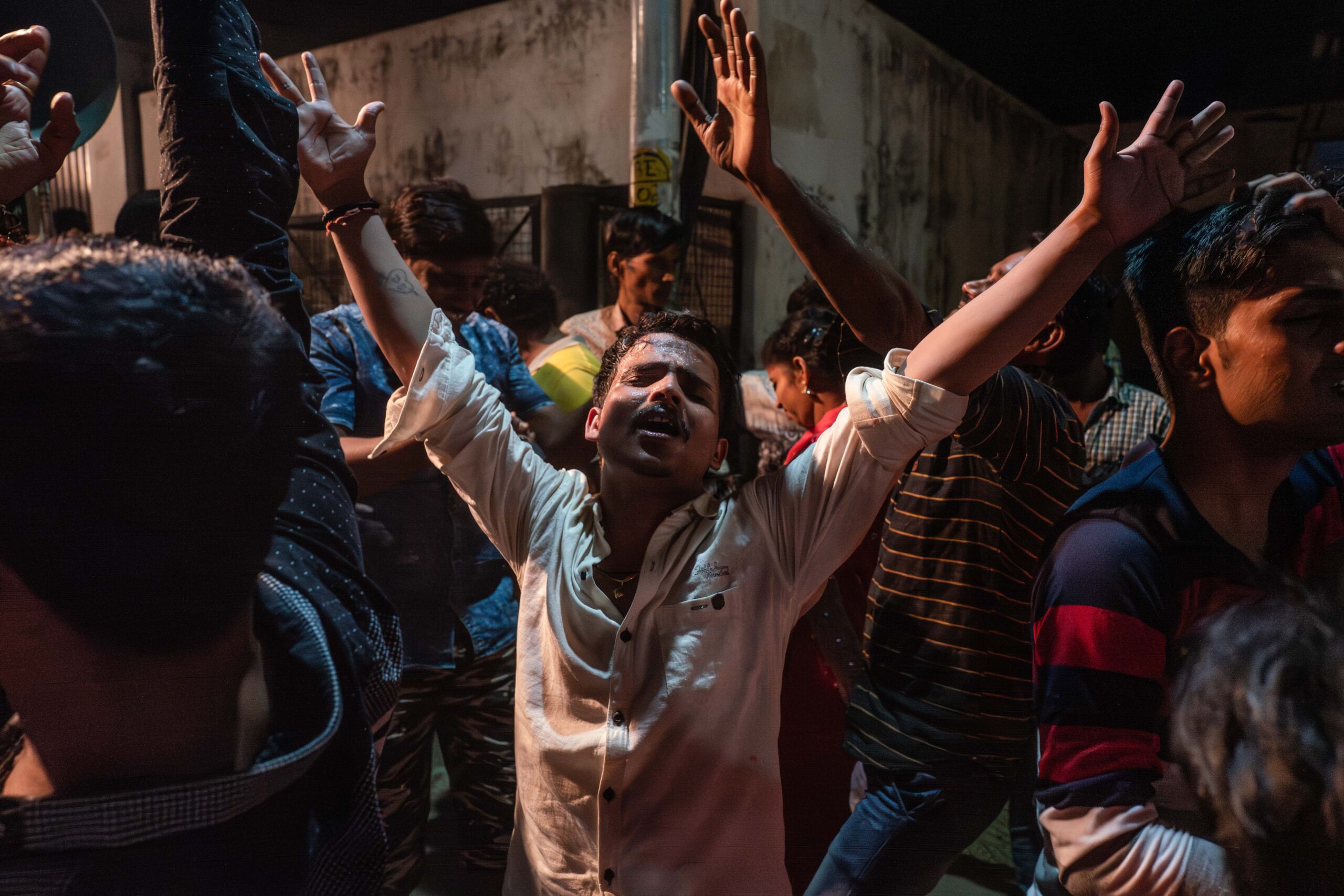
La Durga Puja esplode come un eccesso di ritmo, dove la sacralità diventa collettiva.

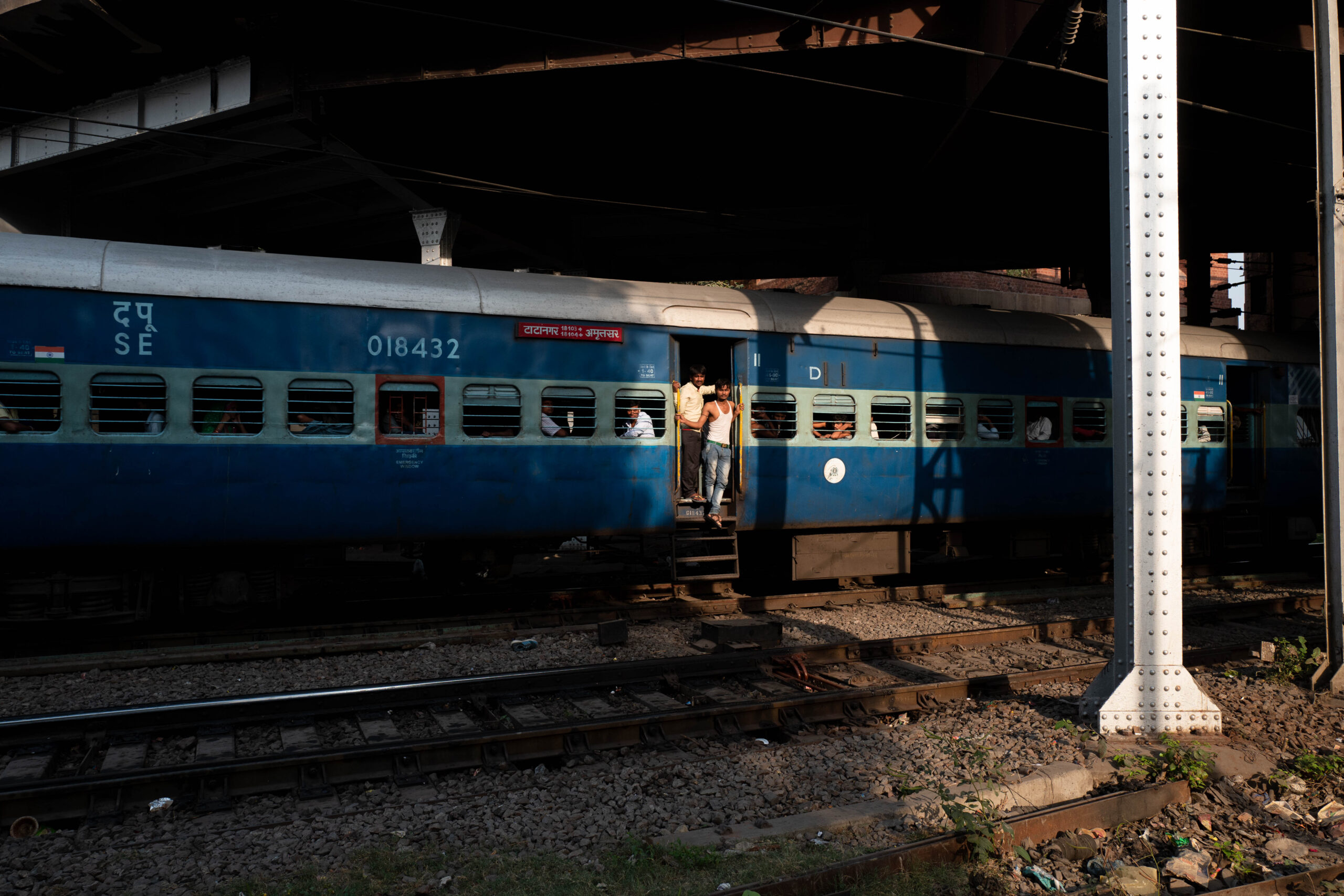
Un treno mostra un movimento che non porta da nessuna parte, ma attraversa lo stato di sospensione.

Varanasi the “non-place”

This story stems from the idea of ​​Varanasi as a suspended state.

The images don’t seek the exotic or the most famous symbols, but rather show the tensions and contrasts that make Kashi an extraordinary experience.

I spent ten days in Varanasi, immersing myself in its intensity.

Walking through the streets, the smells of spices, chai, and incense mingle with stronger, more difficult-to-identify scents, unique to this place.

Every step conveys a sense of intense and contradictory life, where the sacred coexists with the everyday, and every corner tells stories that time seems to have suspended.

It is not a linear journey, but a tour of Varanasi, in search of its particularities: not what the city represents, but what it does to time, to the bodies, and to the gaze of those who pass through it.
The Ganges flows like time that stands still.

Cremations are not just a ritual, but a continuous presence of the end integrated into life.
The amusement park, with its absurd and temporary humanity, shatters every expectation of ordered sacredness.

Durga Puja explodes like an excess of rhythm, where sacredness becomes collective.
A train demonstrates a movement that leads nowhere, but traverses a state of suspension.